
Service
Updated 8 October 2026
AI that makes work easier.
We build AI assistants and automated workflows around concrete tasks – with your organisation’s knowledge and people at the centre.
Start a projectTechnology that helps in everyday work.
Generative AI can make it faster to find information, suggest answers and get started on tasks that would otherwise eat up time. AI trends change quickly, but a new model is not a goal in itself. The goal is a workflow that becomes simpler and more reliable.
That might be an assistant that finds answers in your organisation’s own knowledge, or a process that sorts incoming enquiries and suggests the next step. We choose where automation is useful, and where a colleague should assess the result.
Our own products, Agenci and Verevon, show how AI can be used for website conversations and for knowledge work with sources, answers and approval, respectively. In a new project, we start from your needs and existing systems.
Good AI starts with a clear need, accessible knowledge and people who know when to take over.
02 / How we work
The task first. Then the technology.
We start by understanding the work: which questions keep coming up, where does the knowledge live, and what takes unnecessary time? That lets us choose a task with clear value before we choose the technology.
Then we build a defined solution and test it with real examples. We look at the sources, assess the quality of the answers and decide which steps should require human review.
Once the workflow works, we can connect it to existing systems where needed. That way, we build on a foundation people understand – not a black box nobody dares to use.
03 / Delivery and collaboration
What the delivery can include.
We agree on scope, responsibilities and acceptance criteria before work starts. You can choose a defined assignment or a delivery that combines several of the parts below.
One task with clear value
We describe who will use the solution, what data it needs and what a good result looks like. Together we choose a defined use case and compare AI with simpler automation.
A pilot with checkpoints
The pilot is tried on agreed questions or tasks. Sources, access and human approval are part of the setup. Actions in other systems are scoped separately.
A basis for the next decision
We document test results, known limitations and which errors must be handled. Model, operating and vendor costs are made visible before you decide to expand the solution.
- Working with your team
- The people who know the task take part, together with the IT or system owner. They help with test examples and assess the answers, while we build and document the workflow.
- Quality and approval
- We test correct answers, uncertain questions and situations where the sources do not provide an answer. The solution must have an agreed route to human review. Approval and data access follow the task, not the model’s own view of what it should be allowed to do.
- After delivery
- After a pilot, we can agree on following up answers, sources and costs. Changes to the knowledge base or model are tested before they are put to use, and further expansion builds on the experience from the defined workflow.
When information needs to be fetched from or sent to existing tools, we build on system integrations with agreed access and error routines.
If it is unclear where AI can add value, we start with advisory and needs assessment before choosing a product or technology.
Practical example / From question to action
A workflow with people in the decision.
This is an example of how a pilot can be scoped. Sources, approval and any connections between systems must be adapted to the task and agreed for the specific project.
A question comes in
A customer or colleague needs help. The workflow finds relevant, approved information from the sources your organisation has chosen.
An answer is suggested
AI writes a draft with a basis that can be checked. If information is missing, the task is passed to a person who can assess it.
A person approves the next step
Before any action that changes data or sends something on, a responsible person checks the content. Any integration only carries out the actions that have been agreed.
Experience from our own products.
We develop Agenci for conversations based on your organisation’s knowledge, and Verevon for workflows with controlled actions. The products give us a concrete starting point when we assess what can be reused and what needs to be built from scratch.
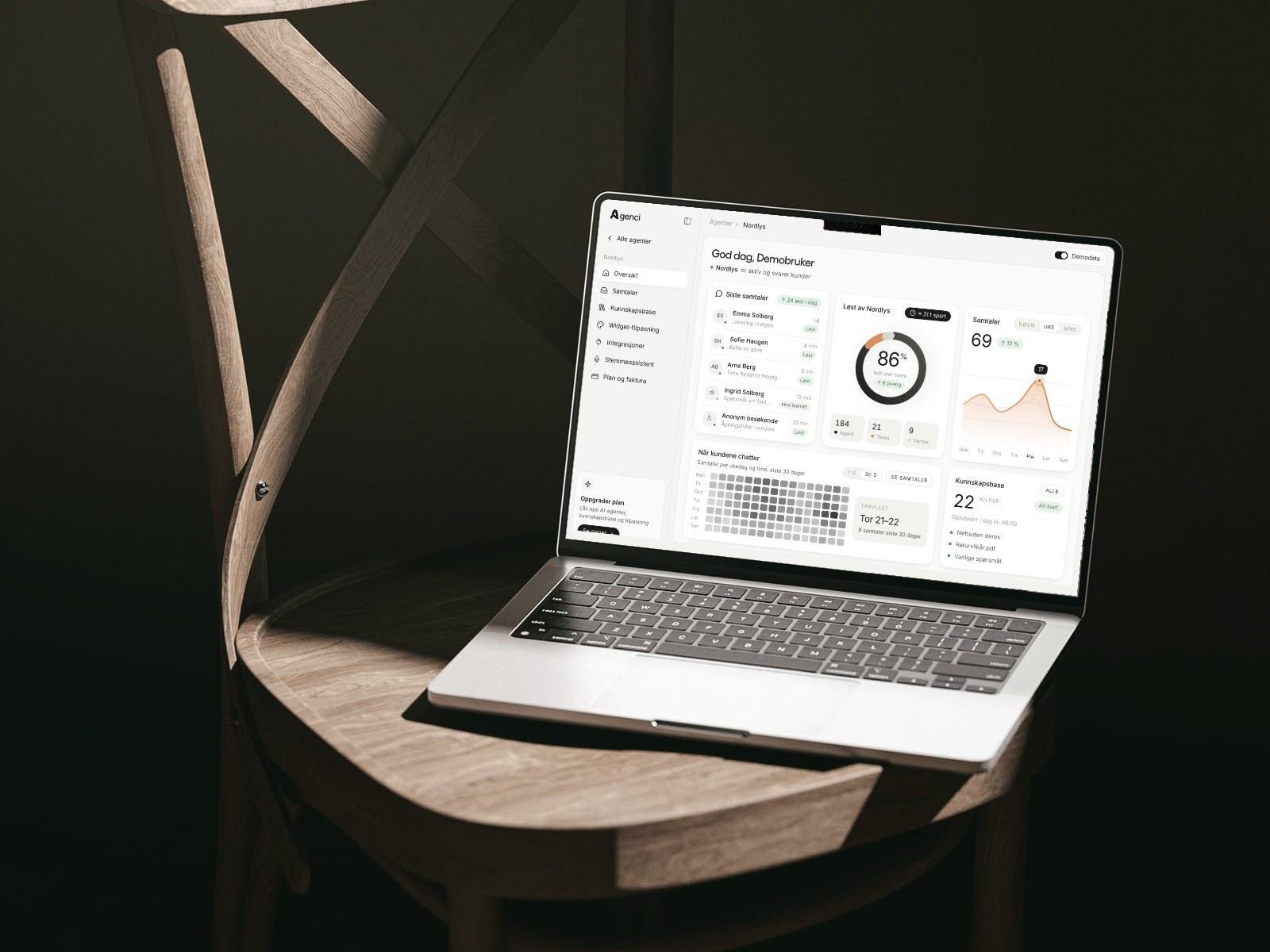
Agenci
An AI chat assistant that makes your organisation's own knowledge available around the clock.
Explore Agenci
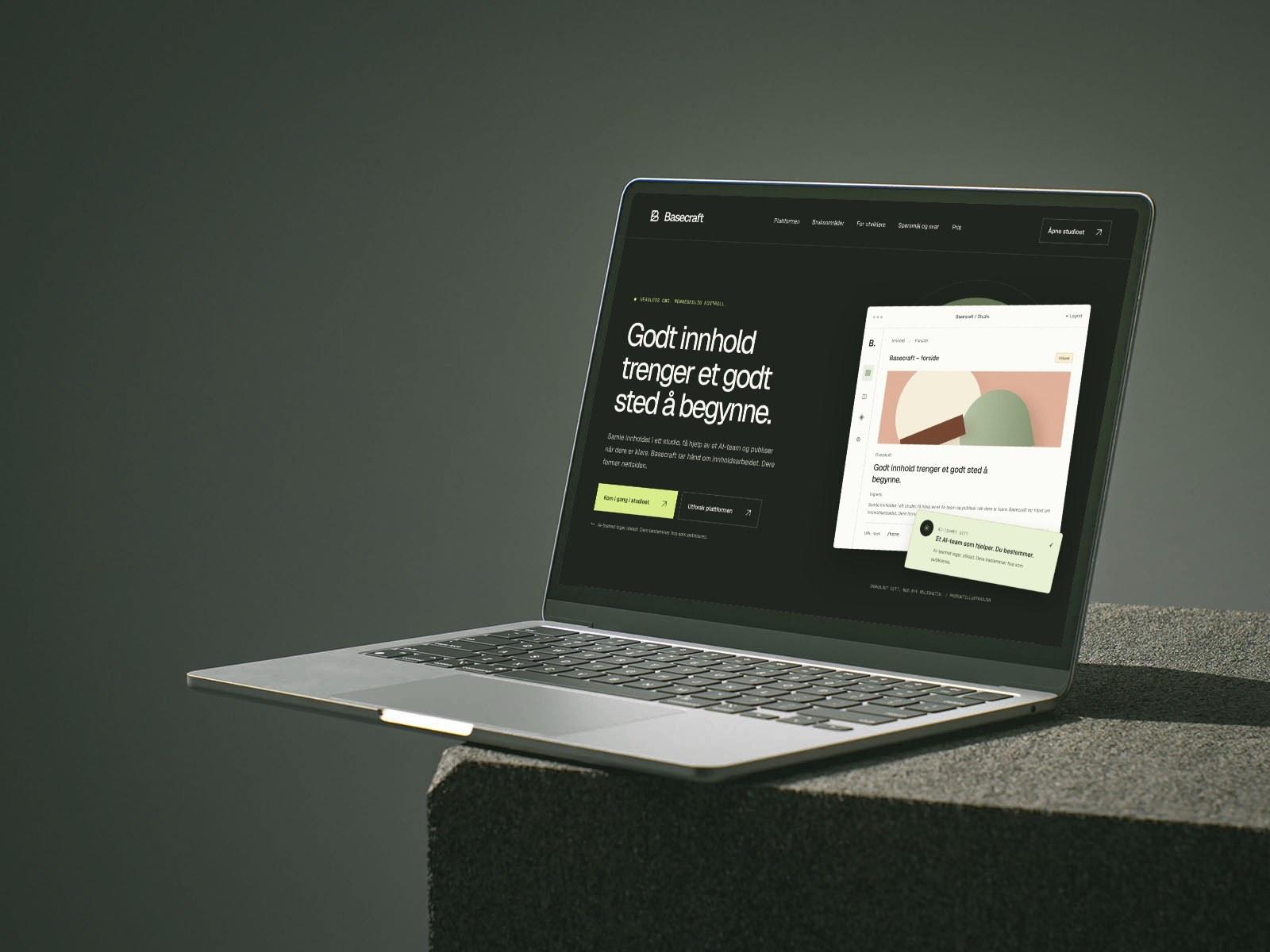
Basecraft
A headless CMS where an AI team helps with the content, and people decide what gets published.
Explore BasecraftRead more about TriodeLab’s product platform and how products and consulting work can be part of the same delivery.
04 / People at the centre
More time for what needs people.
A good AI solution makes it easier to use what your organisation already knows. It can help employees and customers find their way, without everyone having to search through the same documents every time.
Automation can take care of the routine around the work: receiving an enquiry, fetching relevant information, suggesting a reply and passing the case on to the right person.
We distinguish between AI that interprets or suggests, and integrations that move data between systems. They often work best together, but they solve different problems.
People should still be able to see the basis for an answer, correct mistakes and make decisions where it matters.
05 / Questions and answers
Two questions we often hear about AI in the workflow.
What can AI and automation be used for in a business?
AI can help find answers in your own knowledge, write drafts and sort incoming enquiries. Automation can move a task forward in a workflow when specific conditions are met. We start with one concrete task, test its value and decide where people should check the result.
How do we stay in control of data and answers?
We map which sources the solution should use, who needs access, and which answers or actions must be approved by a person. We then test the solution on real questions and follow up errors and uncertainty. An AI assistant should support the work, not hide how decisions are made.